Skip to content
Plant Care Basics
  • Plants A-Z
  • Problems and Fixes
    • Root Rot and Overwatering
    • Pests and Diseases
    • Yellow Leaves
    • Brown Tips and Spots
    • Drooping and Wilting
    • Not Growing or Leggy
  • How-To Guides
    • Watering
    • Soil and Potting Mix
    • Repotting
    • Propagation
    • Pruning and Training
    • Light and Fertilizer
    • Identify and Compare
    • Complete Care Guides
    • More Guides
  • Pet Safety

PANG NAM FUI

Pang Nam Fui is the founder of Plant Care Basics, a friendly online resource dedicated to helping beginners grow happy and healthy houseplants. With a passion for demystifying plant care, he shares simple, practical, and well-researched advice to empower new plant parents with the confidence they need to thrive. His goal is to prove that everyone can develop a green thumb.

Home » Archives for PANG NAM FUI » Page 5

Is Aloe vera toxic to cats and dogs indoors? The leaf layer that settles it
September 11, 2026 by PANG NAM FUI
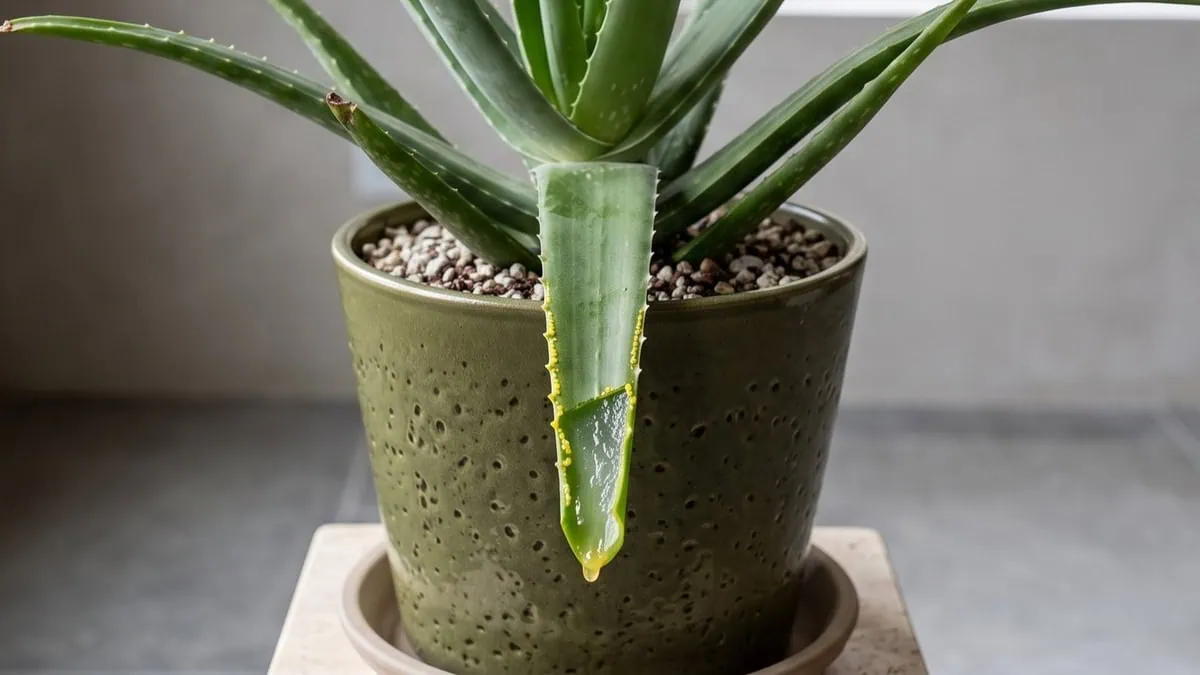
Is Aloe vera toxic to cats and dogs indoors: a freshly snapped leaf showing yellow fluid and clear gel.

One Aloe vera leaf layer carries the problem for cats and dogs, and it is not the clear gel everybody knows. I show where the bitter yellow fluid sits, what a bite leaves on the floor, and how I place the pot so an animal cannot climb up to it.
Categories Aloe Care

Home » Archives for PANG NAM FUI » Page 5

How to repot Aloe vera without transplant shock: the dry settling window

September 11, 2026 by PANG NAM FUI
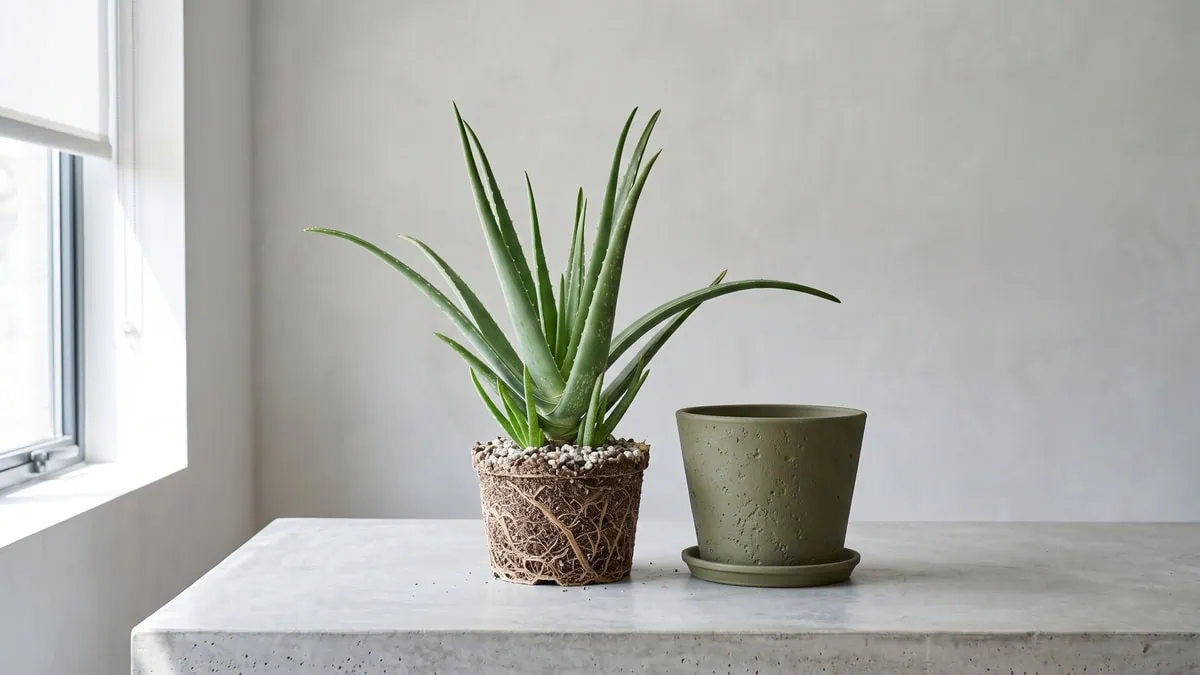
How to repot Aloe vera without transplant shock: the plant out of its pot, root ball whole, empty pot beside.

Most of the trouble people call shock is water given too early. I lift the whole root ball out, take off only what falls away, backfill into gritty mix and then leave the pot dry for about a week before the first watering goes in.

Categories Aloe Care

Home » Archives for PANG NAM FUI » Page 5

Aloe vera vs other Aloe plants how to tell them apart — the four cues that decide it

September 11, 2026 by PANG NAM FUI
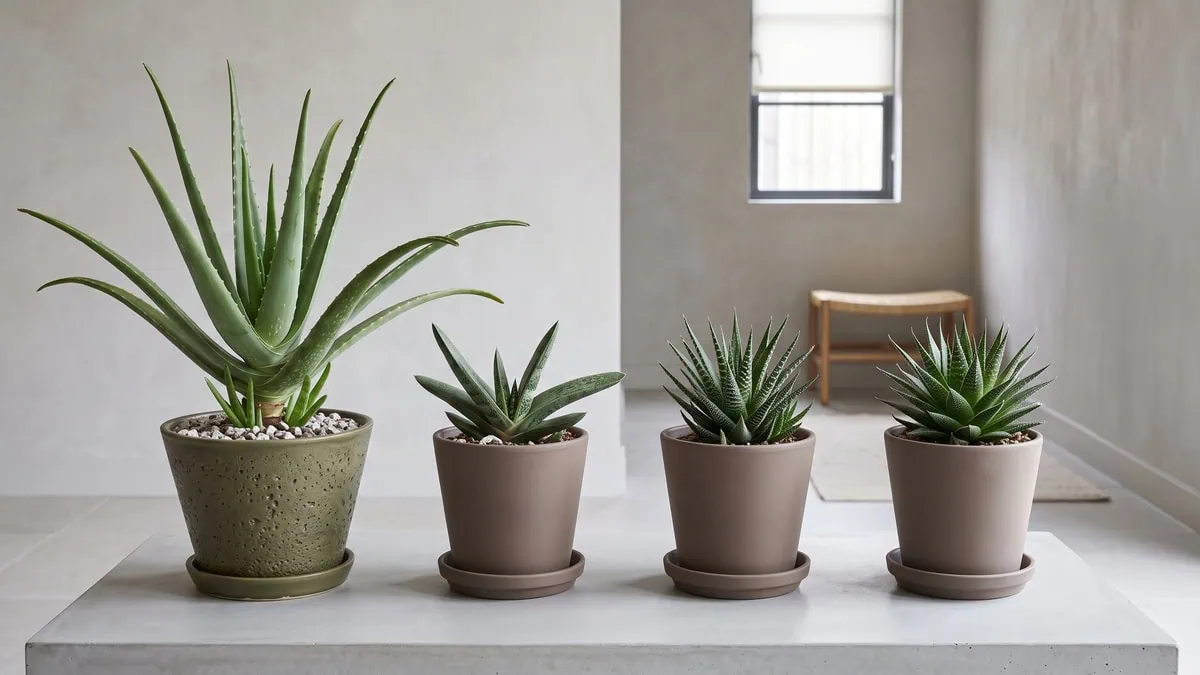
Aloe vera vs other Aloe plants how to tell them apart: four rosette succulents side by side in their own pots.

Four Aloe look-alikes sit on one shelf and only one is the true species. I work through the rosette and its short stem, the speckling that fades with leaf age, the margin read side by side, and why the name on the pot settles nothing at all.

Categories Aloe Care

Home » Archives for PANG NAM FUI » Page 5

How to overwinter Aloe vera indoors without cold damage: the four cold lines

September 11, 2026 by PANG NAM FUI
How to overwinter Aloe vera indoors without cold damage: the lowest leaf folded out by a closed window.

Cold does not arrive as one number. I work an Aloe vera through the dark months on four temperature lines, keep it off the glass at night, cut the watering right back, and know which tissue signs mean cold injury rather than a wet root zone.

Categories Aloe Care

Home » Archives for PANG NAM FUI » Page 5

How to cut Aloe vera leaves without hurting the plant or yourself: a 5-step method

September 11, 2026 by PANG NAM FUI
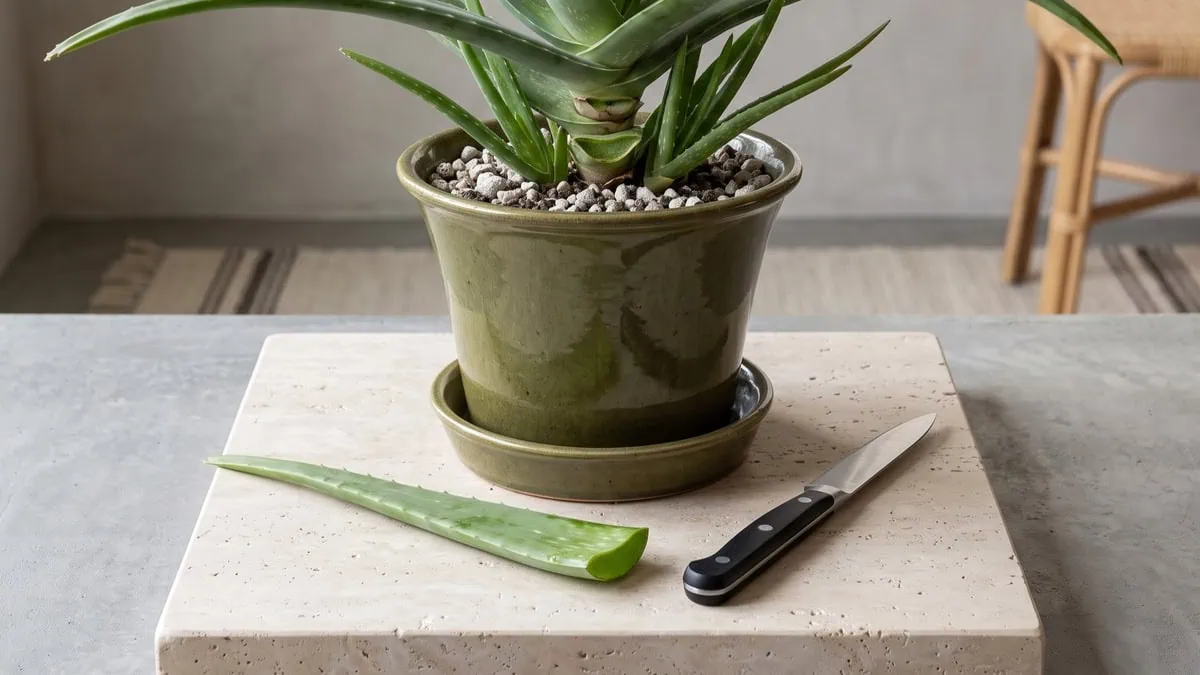
How to cut Aloe vera leaves without hurting the plant or yourself: a cut leaf beside a flat straight blade.

Taking a leaf is easy; taking it without marking the plant or your skin needs an order. I choose the oldest outer leaf, cut flat at its base with a straight sharp blade, stand it cut-end down to drain, and leave the wound to close on its own.

Categories Aloe Care

Home » Archives for PANG NAM FUI » Page 5

How to root a bare Aloe vera with no roots step by step: dry the cut first

September 11, 2026 by PANG NAM FUI
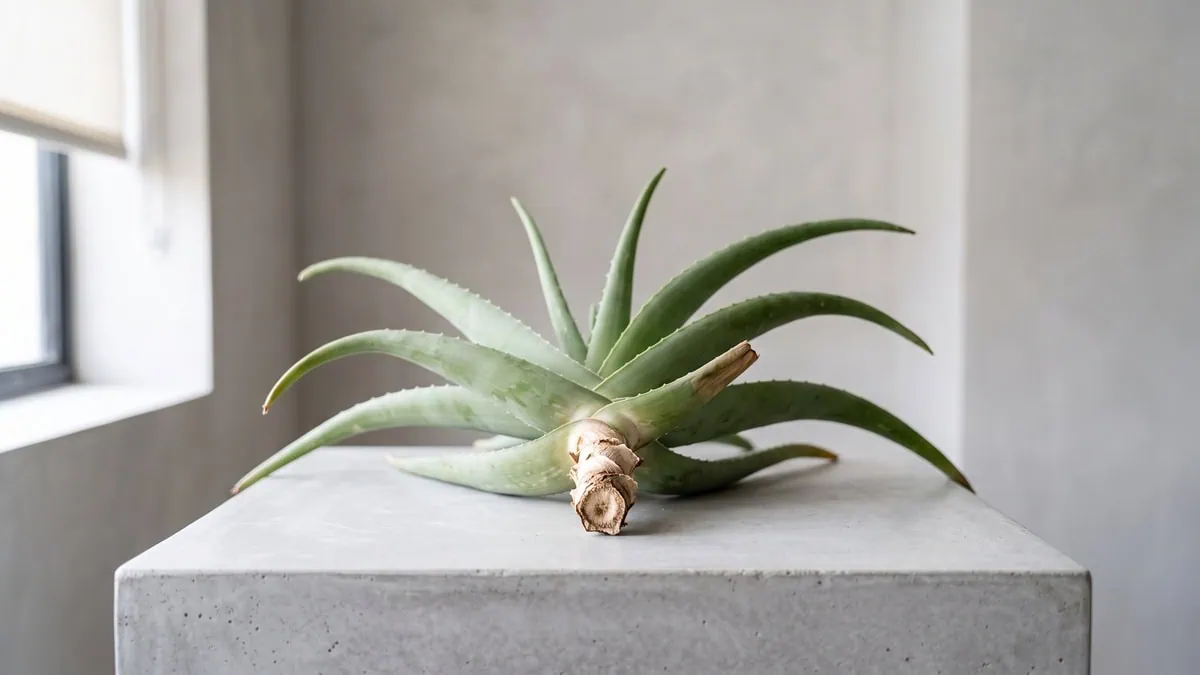
How to root a bare Aloe vera with no roots step by step: the rootless rosette lying with its base dry.

A rootless rosette does not need water, it needs a dry cut and time. I cut back until the stem reads firm, leave the face to dry until it is no longer tacky, plant shallow into gritty mix, and hold the first watering until the plant resists a pull.

Categories Aloe Care

Home » Archives for PANG NAM FUI » Page 5

Why does my Aloe vera have brown spots and dark patches? Press before you cut

September 11, 2026 by PANG NAM FUI
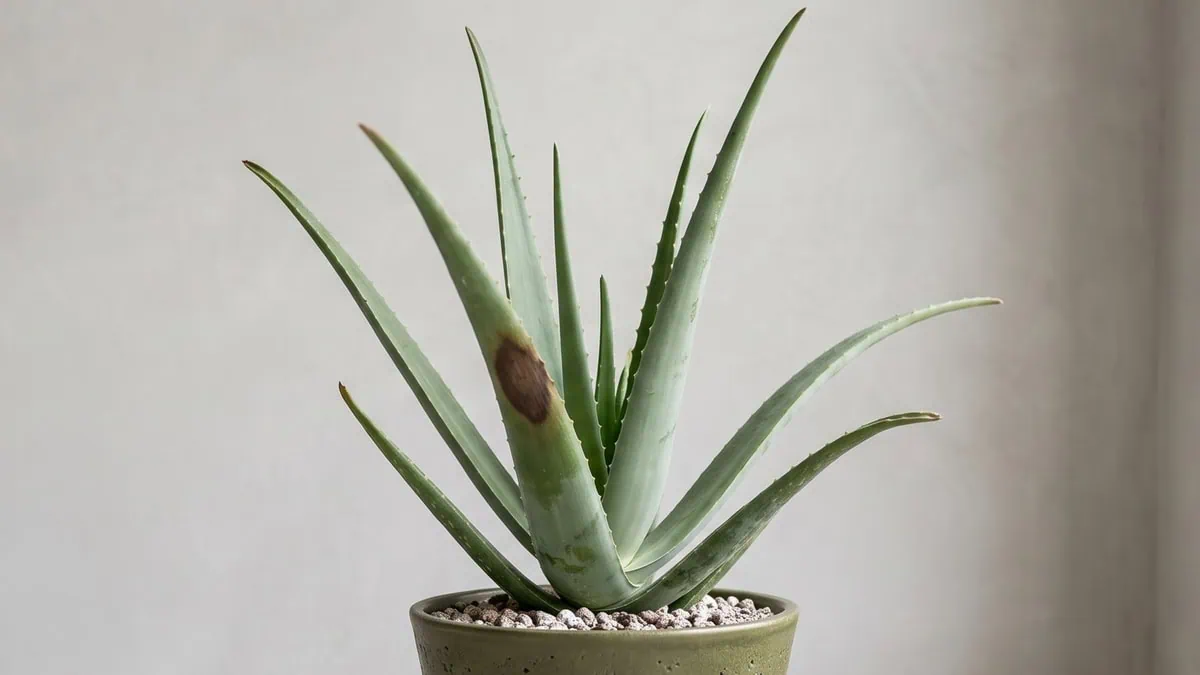
Why does my Aloe vera have brown spots and dark patches: one marked leaf beside a completely clean one.

A dark patch is not one fault, it is four. I press first: soft and sunken goes one way, dry and firm another, sun-facing marks a third, and pale scattered markings on young Aloe vera leaves were never damage at all. Here is the order.

Categories Aloe Care

Home » Archives for PANG NAM FUI » Page 5

Phalaenopsis orchid care: complete indoor guide to reliable reblooming (2026 Masterclass)

September 11, 2026 by PANG NAM FUI
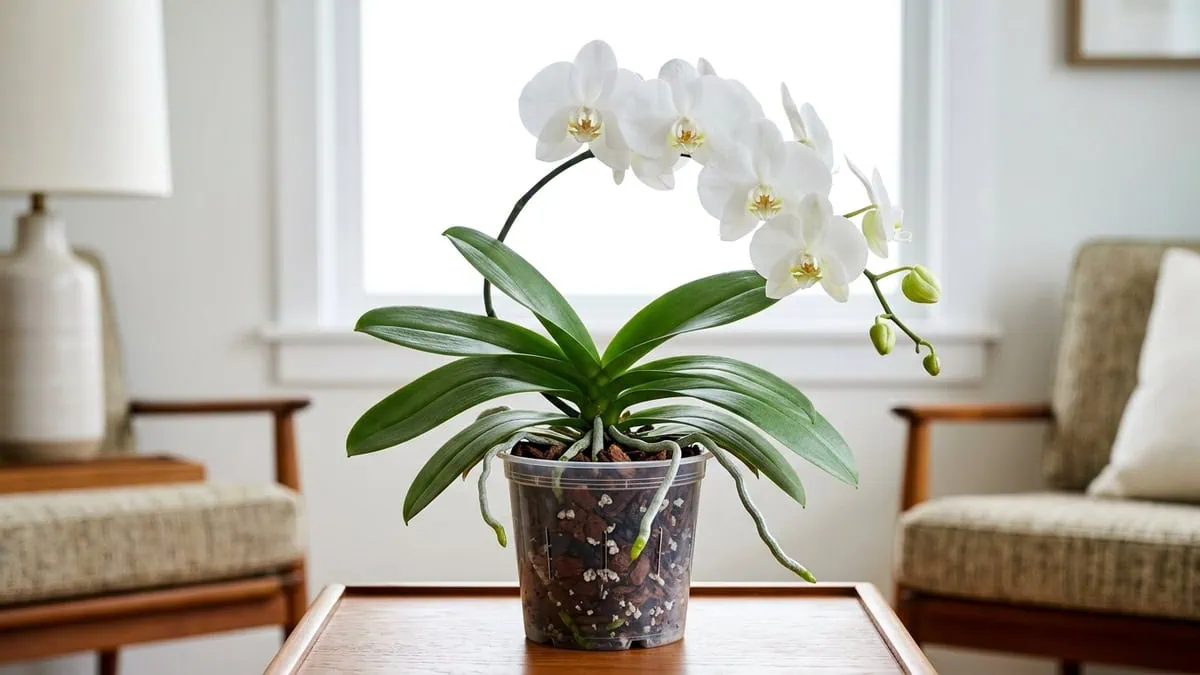
Phalaenopsis orchid care guide — a thriving Phalaenopsis moth orchid in bright bloom over silver-green roots in a clear pot.

Caring for a Phalaenopsis orchid begins in the roots, not the calendar — a lesson my lost moth orchids taught me. This guide gathers the light, watering, humidity, and cool-night targets I rely on, the simple reasons a healthy orchid reblooms year after year.

Categories Moth Orchid Care

Home » Archives for PANG NAM FUI » Page 5

How to water a Phalaenopsis orchid without killing it: read the roots first

September 11, 2026 by PANG NAM FUI
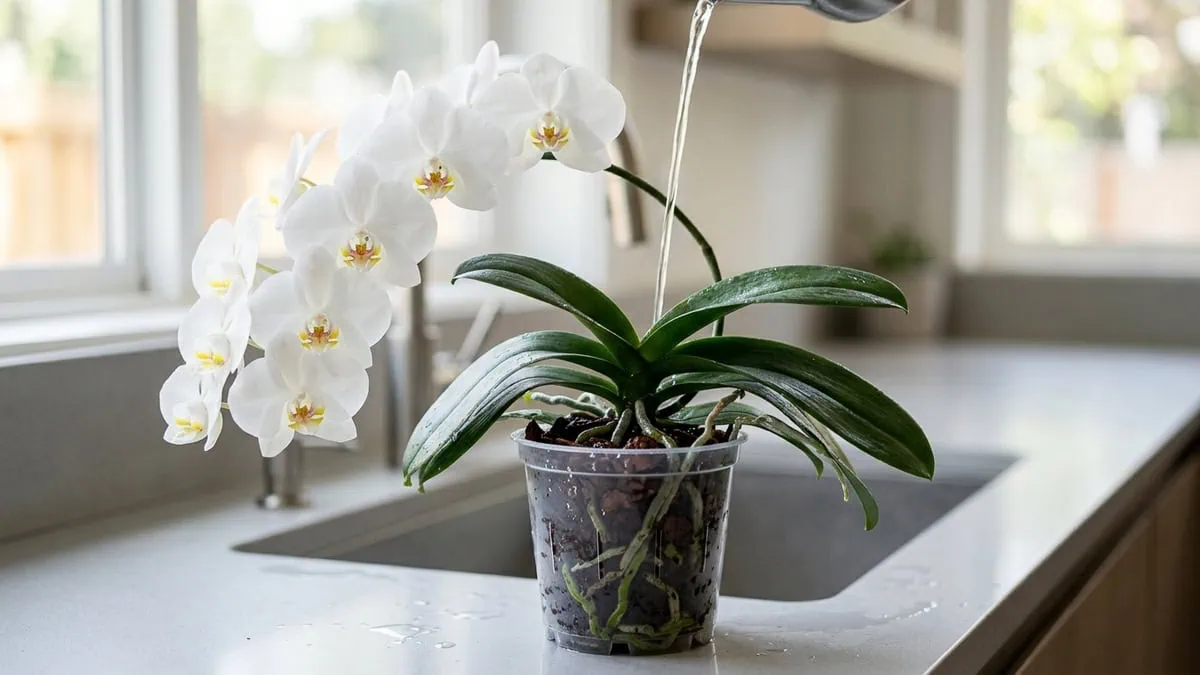
How to water a Phalaenopsis orchid without killing it: water poured into a clear-potted moth orchid draining in the sink.

I water my Phalaenopsis orchid by reading its roots instead of the calendar — silver velamen means soak, green means wait. The limp leaf is usually a root problem, not thirst, so a steady soak-and-drain rhythm keeps the crown dry and the roots breathing between waterings.

Categories Moth Orchid Care

Home » Archives for PANG NAM FUI » Page 5

How to save a Phalaenopsis orchid with root rot: the root-trim rescue

September 11, 2026 by PANG NAM FUI
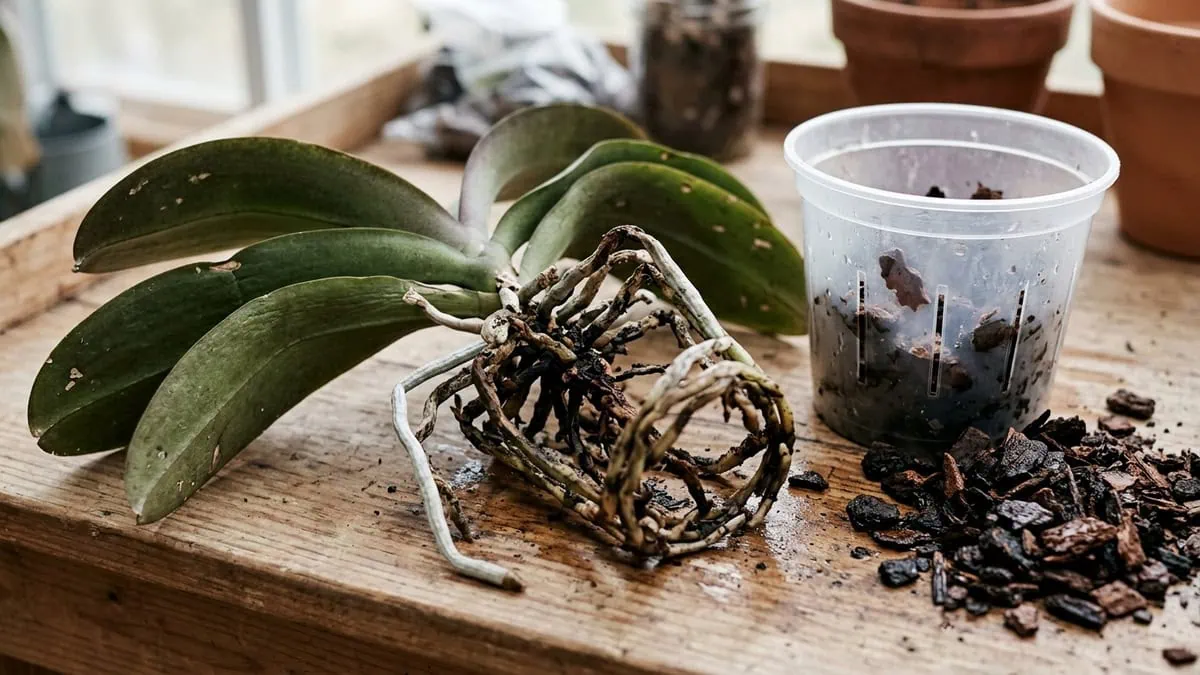
How to save a Phalaenopsis orchid with root rot: a whole moth orchid lifted to show its brown, mushy rotted root ball.

When a Phalaenopsis orchid is hit by root rot, I rescue it the same way every time — read the roots, cut away every soft brown one, and repot into dry, open bark. Even a plant stripped to its crown can rebuild inside a humidity chamber. Here is the full root-trim rescue, step by step.

Categories Moth Orchid Care
Older posts
Newer posts
← Previous Page1 … Page4 Page5 Page6 … Page14 Next →
PANG NAM FUI, founder of Plant Care Basics and plant care expert.

Hi, I'm Pang. Founder of Plant Care Basics. I share simple, well-researched advice to help beginners develop a green thumb. Welcome to my green corner!

You May Also Like

How to water a snake plant without overwatering: a clean stream soaks the gritty mix of a potted Dracaena trifasciata.

How to water a snake plant without overwatering: Read the soil, not the calendar

I lost my first few snake plants by watering them like any thirsty houseplant, on a calendar. What finally worked was learning to read the soil instead: let the mix dry deep, water in one deep soak, then drain every drop. This is the routine I trust.
Why does my fiddle leaf fig have brown edges and patches? One leaf shows a dried, shrunken edge.

Why does my fiddle leaf fig have brown edges and patches? Read the soil first

A browning edge sends most people to the leaf, and I go to the pot instead. This guide runs the two-inch check that settles it, separates a salt crust and dry air from a dry root zone, and shows exactly how far along a dead edge I am willing to trim.
Is a ZZ plant toxic to cats and dogs - a healthy Zamioculcas zamiifolia with clear sap wet on a freshly cut leaflet stalk.

Is a ZZ plant toxic to cats and dogs? What the sap crystals actually do

A ZZ plant is mildly toxic to cats and dogs, and after years of handling mine bare-handed I learned why. The sting is insoluble calcium oxalate sap crystals - a local mouth or skin irritation, never a poison that reaches the organs. I walk you through the signs, the rinse-first fix, and safe placement.
Why does my parlor palm have yellow flower balls and seeds: a branched spray strung with small yellow beads.

Why does my parlor palm have yellow flower balls and seeds? Read the spray

Those small yellow beads on a parlor palm are flowers, not a fault. I trace the spray back to the stem below the leaf sheath, read whether the plant is male or female, and then decide whether to leave the spray standing or cut it off.
Parlor palm vs cat palm vs bamboo palm how to tell them apart: three potted palms side by side.

Parlor palm vs cat palm vs bamboo palm how to tell them apart — count the stems first

Three palms share a shelf and a lot of names, so I stop reading tags and count stems instead. Here is what the medium surface shows on each, which canes carry old leaf scars, and why the label on the pot is the last thing I trust.
A peace lily care overview: a lush, unblemished clump standing as the centerpiece of a bright living room.

Peace lily care: complete indoor guide to light, water and root health (2026 Masterclass)

I grow this plant the way its forest floor does: a mix that drains while it stays damp, north light within about three feet of the glass, and a pot that is never left standing in its own runoff. Everything else in the care routine follows from those three settings.
Can you cut back a parlor palm that is too tall and leggy: one unopened bud at the top of a stem.

Can you cut back a parlor palm that is too tall and leggy? One growing point decides

Every parlor palm stem carries one growing point and no spare, which is why a topped stem never comes back. I count the bases at the surface, support a lean instead of cutting it, and keep the snips to the dried tips.
How often to water a peace lily: the clump drooped over the rim while water pours into the mix.

How often to water a peace lily? Read the pot, not the calendar

The surface lies, so I stopped watering to a calendar and started reading the pot instead. A lift the day I water and another three days later builds a scale nothing else can give me, and the pour ends when the saucer fills rather than at a measured volume.

  • Privacy Policy
  • Cookie Policy (EU)
  • Terms of Service
  • Image License
  • About Us
  • Contact Us
  • Sitemap
© 2026 Plant Care Basics. All Rights Reserved.
Manage Consent
To provide the best experiences, we use technologies like cookies to store and/or access device information. Consenting to these technologies will allow us to process data such as browsing behavior or unique IDs on this site. Not consenting or withdrawing consent, may adversely affect certain features and functions.
Functional Always active
The technical storage or access is strictly necessary for the legitimate purpose of enabling the use of a specific service explicitly requested by the subscriber or user, or for the sole purpose of carrying out the transmission of a communication over an electronic communications network.
Preferences
The technical storage or access is necessary for the legitimate purpose of storing preferences that are not requested by the subscriber or user.
Statistics
The technical storage or access that is used exclusively for statistical purposes. The technical storage or access that is used exclusively for anonymous statistical purposes. Without a subpoena, voluntary compliance on the part of your Internet Service Provider, or additional records from a third party, information stored or retrieved for this purpose alone cannot usually be used to identify you.
Marketing
The technical storage or access is required to create user profiles to send advertising, or to track the user on a website or across several websites for similar marketing purposes.
  • Manage options
  • Manage services
  • Manage {vendor_count} vendors
  • Read more about these purposes
View preferences
  • {title}
  • {title}
  • {title}