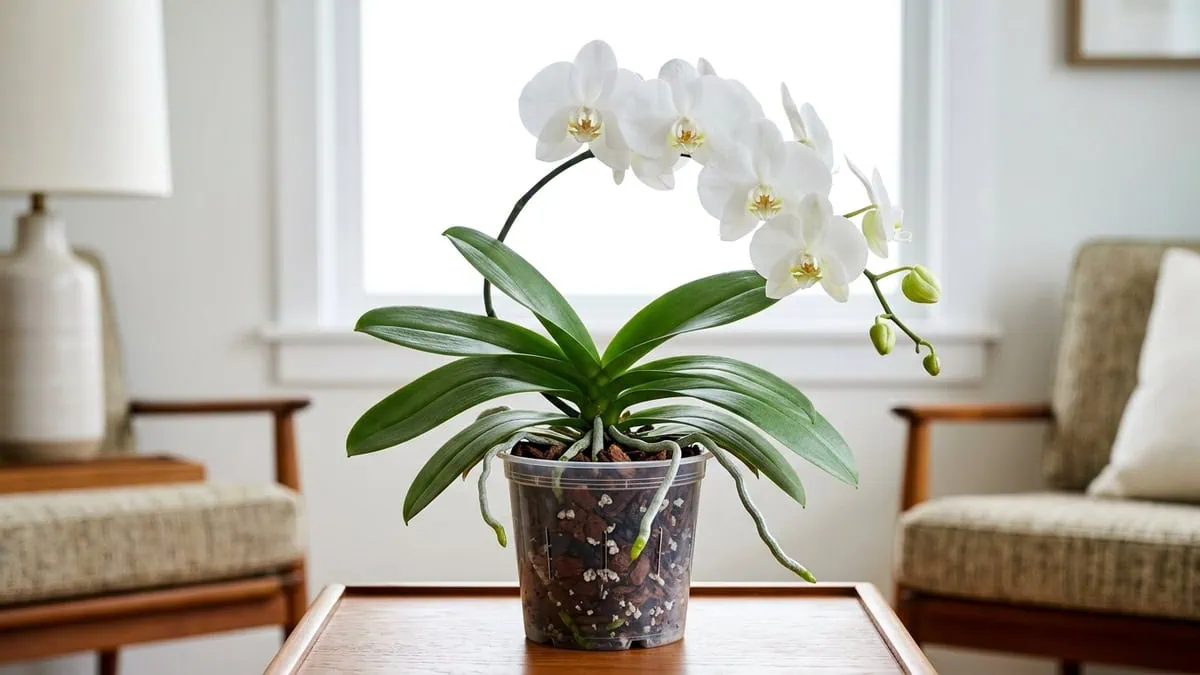
Monstera Aerial Roots: 3 Expert Ways to Handle Them
Wondering what to do with those long brown tendrils? Learn the 3 expert ways to handle Monstera aerial roots: cut, bury, or train them for massive growth.
Want massive vines? My Pothos care guide reveals 11 proven tips. Learn the Visual Droop watering method and the secret to bigger leaves.
Stop root rot immediately. Discover the best soil for Monstera with my proven 5-ingredient DIY Mega-Chunk recipe. It is airy, chunky, and exactly what your jungle giant needs.
Want to learn how to propagate pothos? Discover the Infinite Plant Glitch with my 3 easy methods: water, soil, and layering. Turn one plant into ten today!
Seeing your Pothos leaves turning yellow? Don’t panic. From nitrogen hunger to root rot, discover the 5 biological signals your plant is sending and how to save it today.
Wondering how often to water Pothos? Stop using a schedule. Master these 5 expert rules of the Visual Droop method to prevent root rot forever.
I keep a ZZ plant glossy by ignoring the calendar and watering only when its gritty mix runs bone-dry to the bottom – the one habit that stops the water-storing rhizome from rotting. Inside, I walk through the light, warmth, feeding and pot that make Zamioculcas the easiest plant on your shelf.
When my ZZ plant wilted over soaking-wet soil, I learned the culprit was root rot, not thirst. The fix is to cut every mushy rhizome back to firm, pale tissue, dry the wounds, then repot into a gritty mix. Inside, I walk through the full rescue and how to judge what can still be saved.
A yellowing ZZ leaflet used to send me reaching for the watering can, which only made things worse. On a ZZ, the yellow almost always traces back to soggy soil rotting the rhizome, not thirst. I walk you through the three-look pattern check that points to the one real cause before you water again.
When my ZZ plant starts drooping and falling over, I press the stalk base before I reach for the watering can. A soft, giving base means the rhizome is rotting; a firm one points to too little light or a top-heavy clump. I walk you through the three-second triage that tells the two apart.